How to Create a Pet-Friendly Garden for Your Bay Area Home

Introduction

A pet-friendly garden is essential for Bay Area homeowners who want to give their pets more outdoor time safely without constant supervision. At the same time, a pet-friendly garden can be enjoyed by the whole family and become a space to have fun and bond with your pet.

However, creating a safe outdoor space that caters to the needs of both people and animals isn’t always straightforward, especially when you’re looking for something low-maintenance. In this guide, we’ll walk you through the essentials of pet-friendly landscaping, while showcasing how different design approaches and plant selections can align with safety, functionality, and maintenance goals.
Pro Tip:

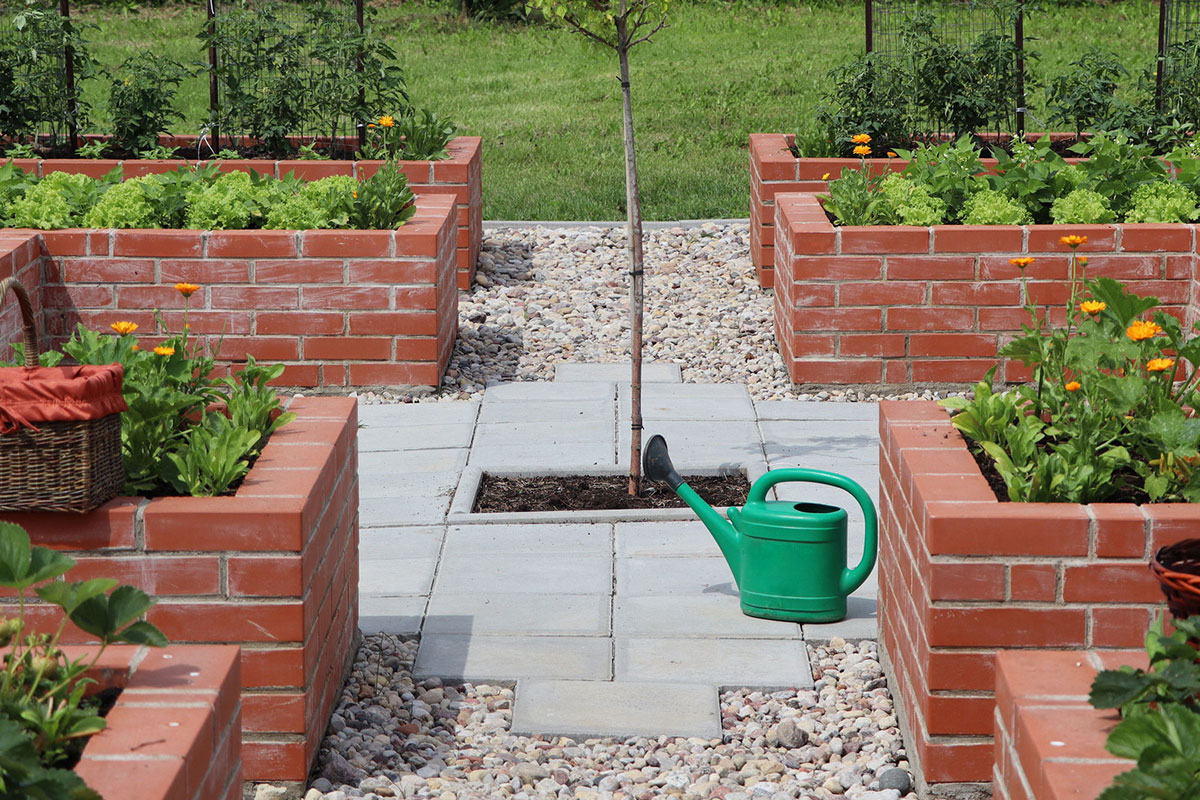
For high-traffic areas and play zones, stabilized decomposed granite is an excellent option. It offers a firm, attractive surface that dogs enjoy running on, and it stays intact even under frequent use.

What Are the Most Common Mistakes You See Homeowners Make When Trying to Create a Pet-Friendly Garden?

One of the most common mistakes in pet-friendly landscaping is assuming that all native or commonly used plants are safe. Many homeowners believe that if a plant appears frequently in local gardens, it must be non-toxic, but in reality, many popular Bay Area ornamentals are highly poisonous to pets.

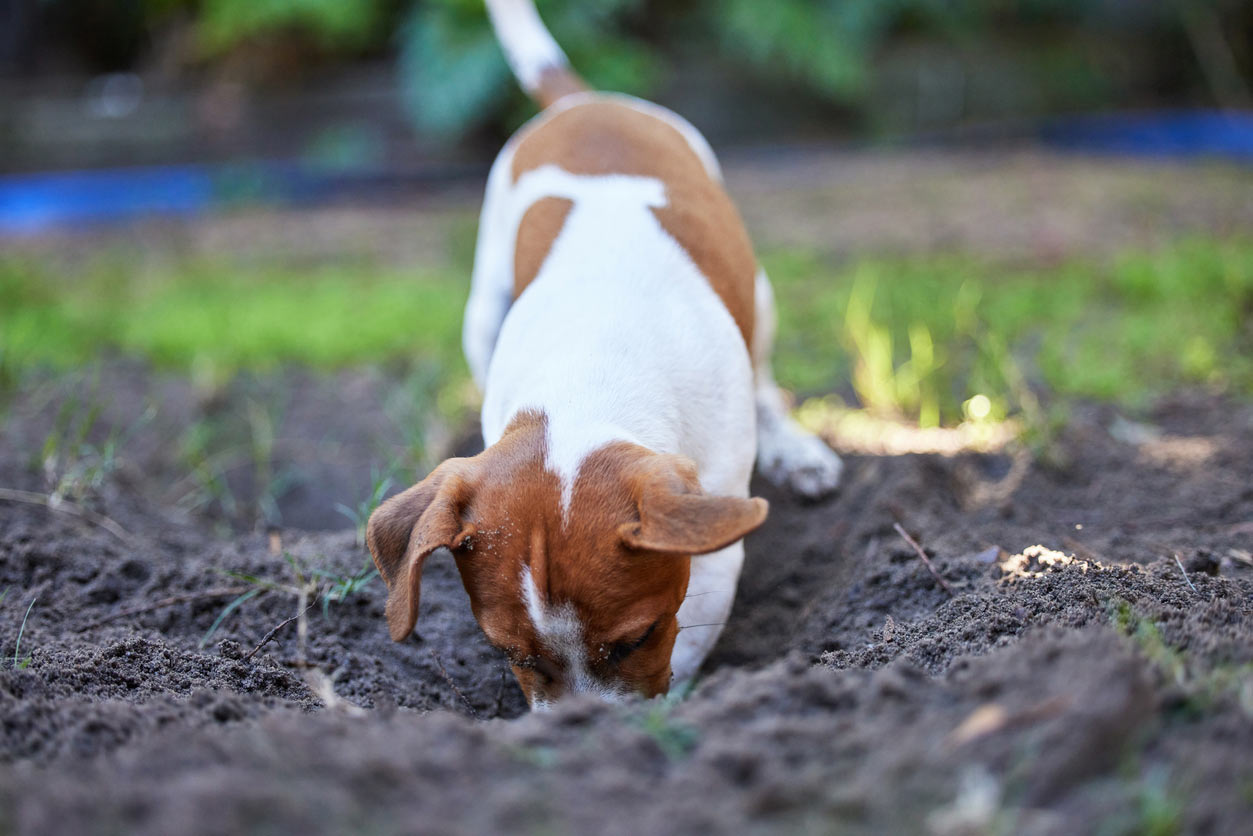
Another frequent pitfall is designing the ideal garden first, then trying to retrofit it for animals. This often fails because pets have specific behavioral needs that should be considered from the start. Finally, homeowners often underestimate the wear and tear pets can cause on landscape features. Planning for durability from the beginning helps avoid ongoing replanting and maintenance headaches later.

How to Create a Pet Friendly Garden for Your Bay Area Home

Successful pet-friendly landscaping begins with the understanding that your garden serves multiple users with different needs. The key is to create distinct zones that accommodate both pets and people, while maintaining visual cohesion throughout the space.

Start with safety as your foundation, before considering aesthetics. Conduct a thorough safety audit of your yard: remove any toxic plants, secure areas where pets could escape, and address potential hazards like steep drops or unstable structures.

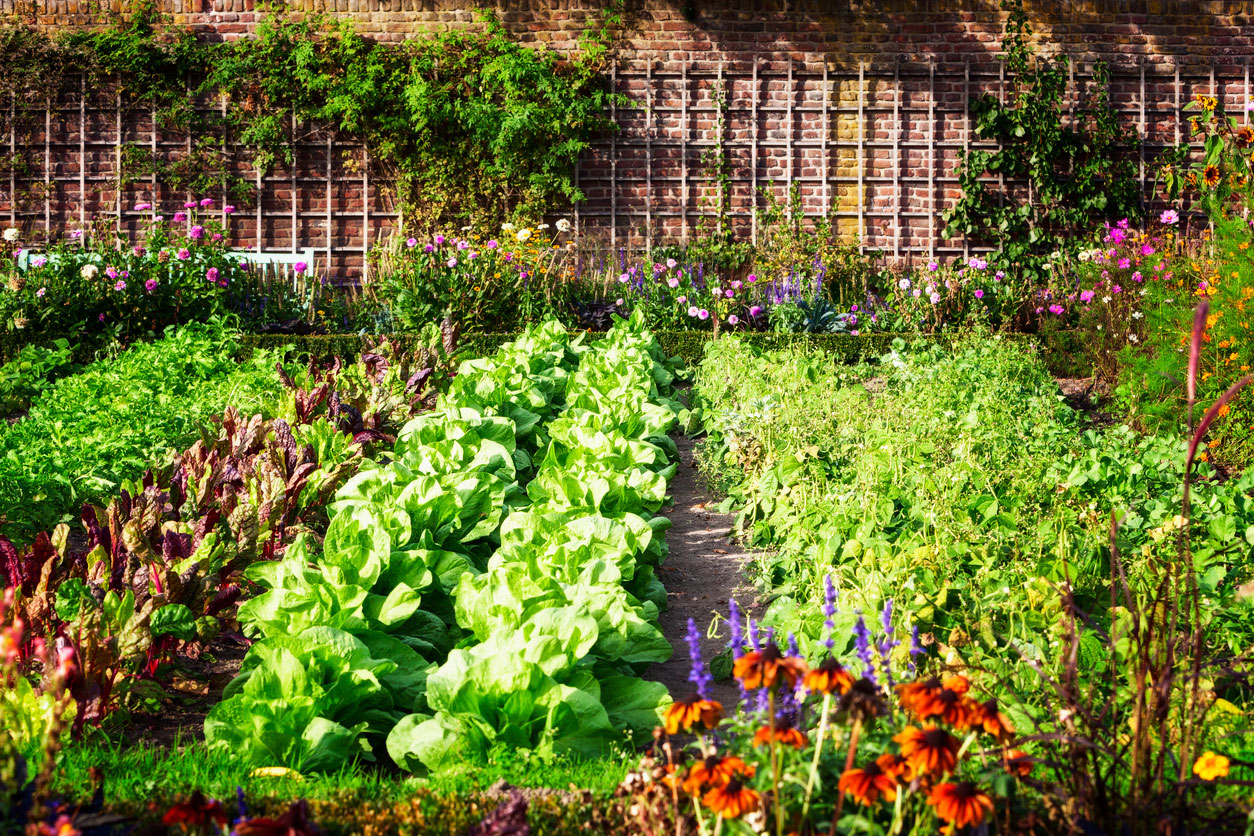
Next, consider your lifestyle and how much maintenance you’re realistically able to commit to. If you travel often or have a demanding schedule, opt for pet-safe plants and features that require minimal care.

How to Create a Low-Maintenance Dog-Friendly Garden

1. Design Clear Traffic Patterns

Dogs need space to move, clear sight lines for a sense of security, and durable surfaces that can withstand their activity levels. The most successful dog-friendly gardens anticipate these needs while minimizing long-term maintenance.

Dogs naturally create paths through repeated use. Rather than fighting this instinct, design intentional routes using materials that improve with wear instead of degrading over time. Decomposed granite, stepping stones, and permeable pavers create attractive, durable pathways that become more established with use. Position these paths to connect key areas like the house, play zones, and elimination spots.

2. Choose Forgiving Plants

Look for varieties that can withstand occasional trampling or digging. Ornamental grasses such as red fescue and deer grass bend under pressure rather than break, and they recover quickly from damage. Mediterranean herbs like rosemary and lavender are hardy enough to tolerate some rough treatment while adding aromatic appeal. Many of these plants are also naturally pest-resistant, reducing the need for pesticide treatments that could be harmful to pets.

3. Create Defined Play and Rest Areas

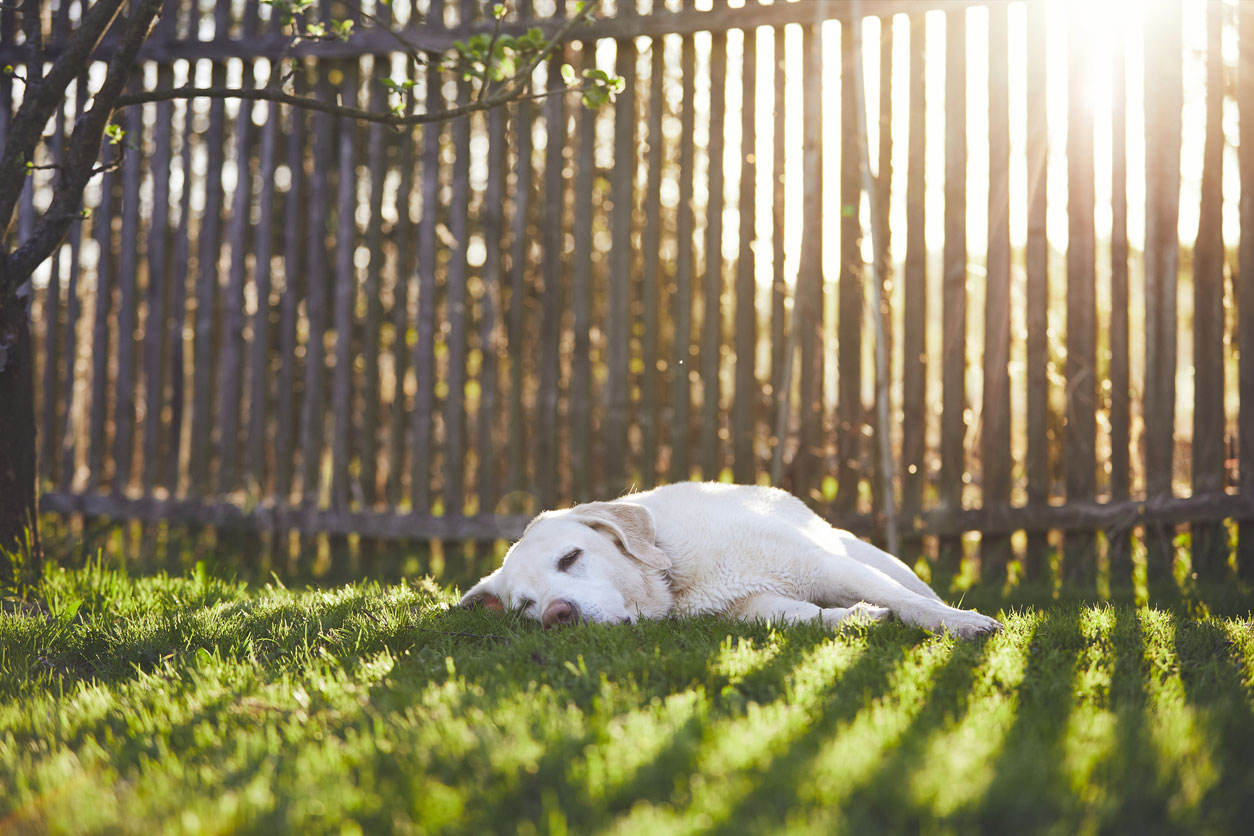
Designate specific zones for different activities instead of allowing unrestricted use throughout the garden. A central play area with durable ground cover gives dogs space to run and burn off energy, while shaded rest zones with soft surfaces offer a cool, comfortable spot during hot weather. This kind of purposeful zoning helps protect more delicate planting areas while supporting your dog’s natural behaviors.

How to Create a Cat-Friendly Garden

1. Provide Vertical Interest and Safe Climbing Opportunities

Cats have different landscaping needs than dogs, benefiting from vertical elements, hiding spots, and textured plants for rubbing and rolling. Understanding feline behavior is key to designing outdoor spaces that enrich their lives while keeping them safe.

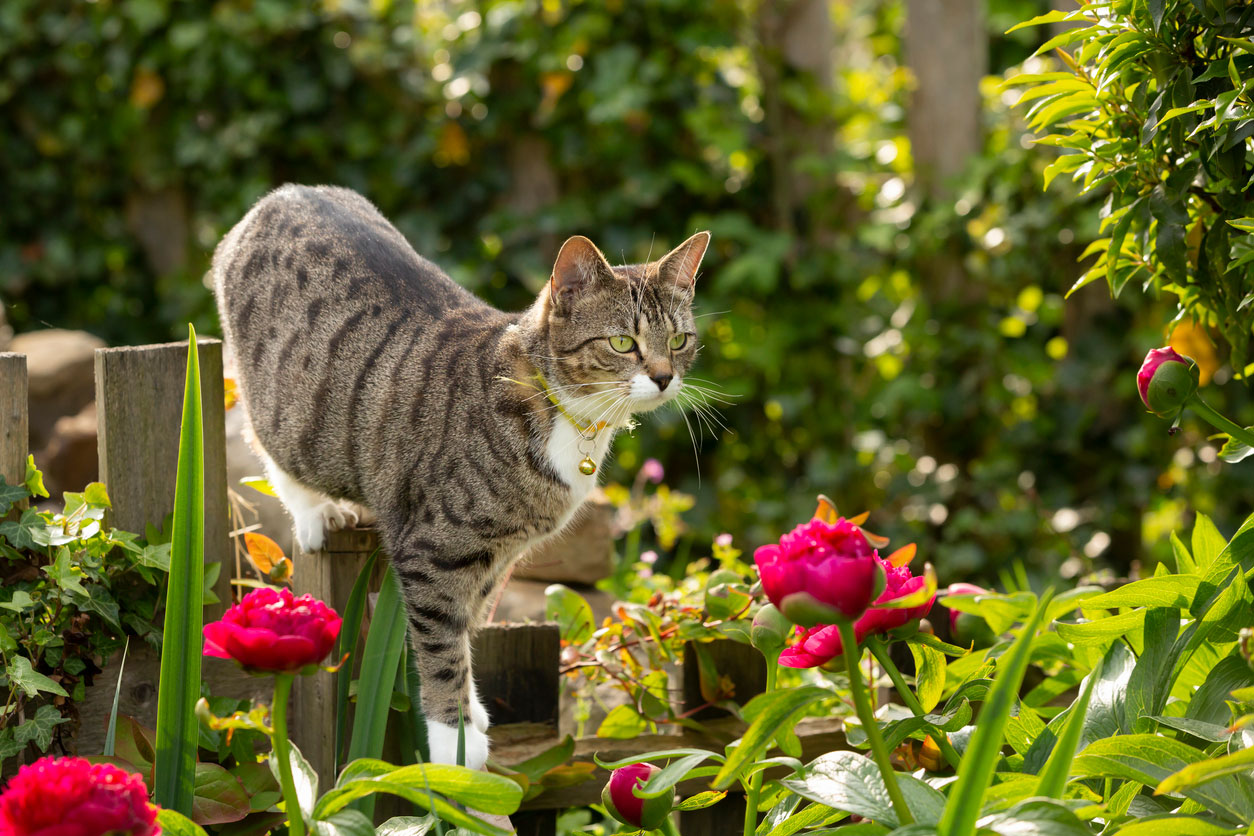
Cats naturally seek elevated vantage points for security and stimulation, making vertical elements essential in a cat-friendly garden. However, these features must be designed with safety in mind. Cats often lack awareness of height-related risks, so it’s important to use structures where you can easily intervene if needed. Also, ensure that climbing areas don’t create potential escape routes. Suitable vertical elements include sturdy trellises, cat-safe climbing plants, or outdoor cat towers that support safe exploration.

2. Create Hiding and Resting Spots:

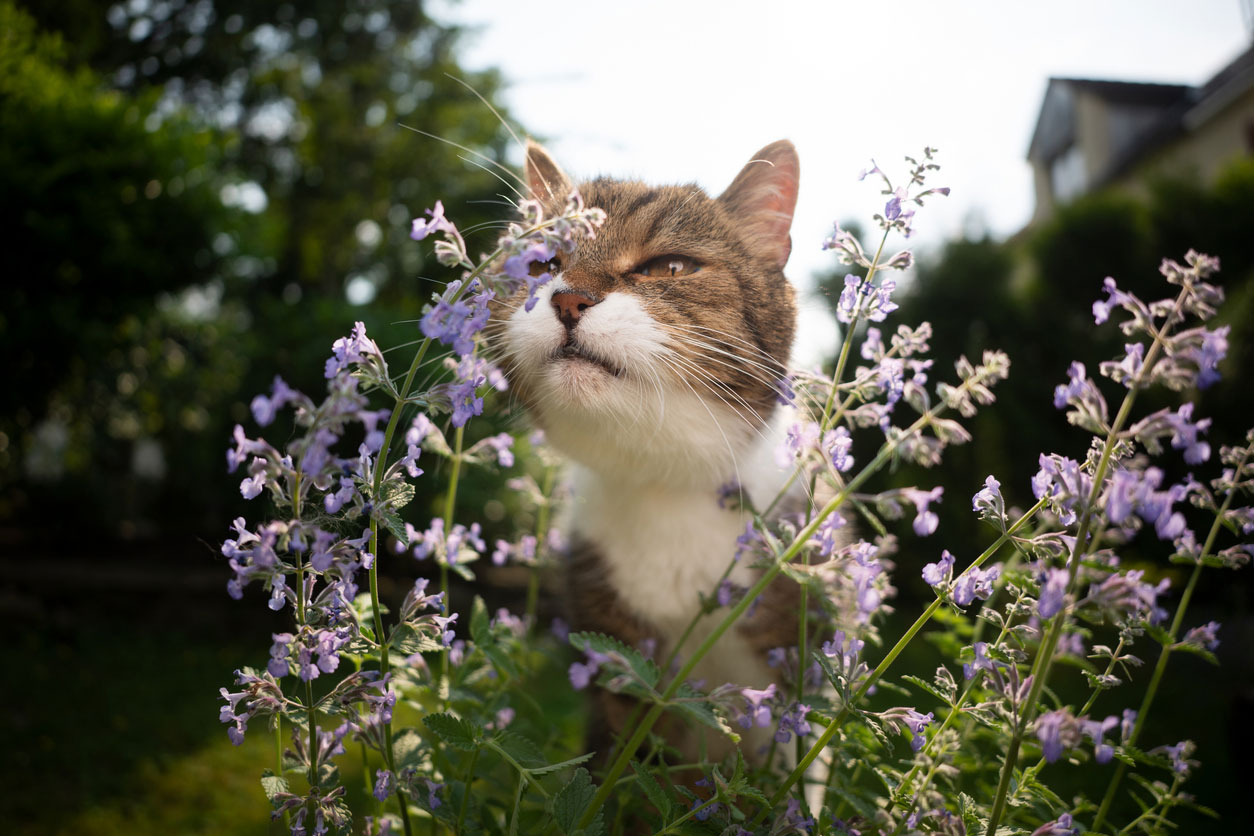
Dense, low-growing shrubs offer essential hiding places where cats can feel secure while outdoors. Consider planting clusters of catmint or ferns to form natural shelters. These plants not only provide safe cover but also add appealing scents and textures that enrich your cat’s sensory experience.

3. Include Plants that Appeal to Feline Senses

Beyond the classic catnip, many plants offer sensory enrichment for cats. Look for cat-safe varieties that invite scratching, rubbing, or rolling, such as soft grasses or textured foliage. Aromatic herbs like thyme and oregano also provide olfactory stimulation. Place these plants in areas where your cat can interact with them freely, without risking damage to more delicate parts of the garden.

Final Thoughts

Pet-friendly landscaping is a fantastic way to create a beautiful outdoor space that can be enjoyed by your entire family, and where your pets can spend quality outdoor time with minimal supervision. At Lyngso, we offer a wide selection of tools and materials to help you build a garden that works for both you and your pets, whether you’re accommodating dogs, cats, or other animals. Visit our showroom and landscaping yard in San Carlos for expert advice and inspiration, and contact us today to learn about delivery options for your SF Bay Area home.